

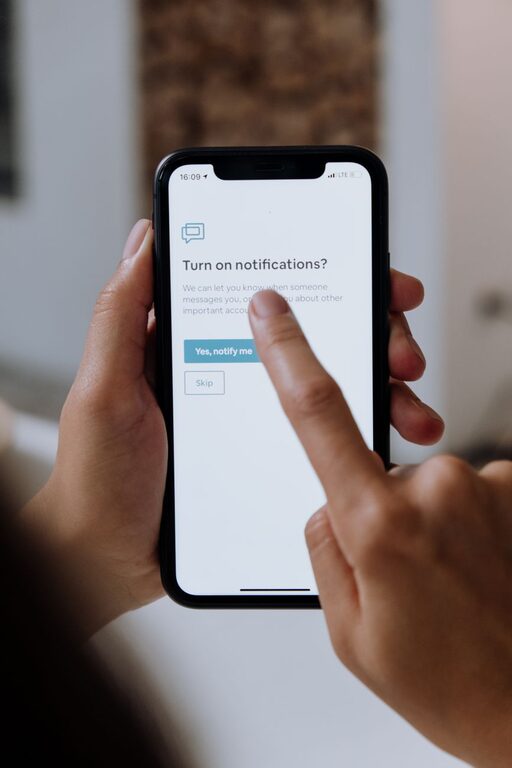
In today’s connected world, notifications can be both a help and a hindrance. They keep us informed but can also interrupt our focus and increase stress. Setting clear boundaries around how and when you receive notifications is key to maintaining productivity and a healthy relationship with technology. This guide offers practical tips to help you control your notifications and stay focused on what really matters.
Why Setting Boundaries with Notifications Matters
Notifications are designed to grab your attention instantly, often disrupting your concentration. Frequent interruptions can lead to decreased productivity, more mistakes, and even increased anxiety. By setting boundaries, you can regain control over your day, reduce distractions, and improve your mental clarity.
Assess Your Current Notification Habits
Before making changes, it’s helpful to understand your current notification patterns:
– Which apps send you the most notifications?
– How often do you check your phone or computer after a notification?
– Are there certain times when notifications disrupt you more?
Taking note of these habits can help you identify key areas to focus on.
Tips for Setting Boundaries with Notifications
1. Customize Notification Settings on Your Devices
Most smartphones and computers allow you to adjust notification preferences for each app:
– Turn off notifications for non-essential apps.
– Choose which types of notifications to allow (e.g., messages but not promotional alerts).
– Enable “silent” or “do not disturb” modes during work or rest periods.
Customizing settings helps reduce noise without cutting off important updates.
2. Use Do Not Disturb Modes Strategically
Both phones and computers offer “Do Not Disturb” or focus modes to block notifications temporarily:
– Schedule these modes during meetings, focused work sessions, or bedtime.
– Customize exceptions for critical contacts or apps.
– Use automatic rules to activate focus modes based on location or time.
This helps create distraction-free zones during your day.
3. Set Specific Times to Check Notifications
Instead of reacting instantly, try batching your notification check-ins:
– Decide on fixed times to review messages and alerts (e.g., every hour or twice a day).
– Turn off pop-up notifications that demand immediate attention.
– Use this habit to maintain focus and reduce constant interruptions.
4. Prioritize Notifications by Importance
Not all notifications deserve your immediate attention. Prioritize by:
– Allowing notifications only from close friends, family, or work-critical contacts.
– Disabling social media or app notifications during work hours.
– Using notification summaries or grouped alerts to review non-urgent notifications at once.
5. Leverage Technology Tools and Apps
There are apps and built-in features designed to help manage notifications:
– Notification management apps that categorize and silence alerts.
– Focus or productivity apps that block distracting apps temporarily.
– Widgets or dashboards that summarize notifications at a glance.
Experiment with tools that fit your workflow and lifestyle.
6. Communicate Your Boundaries to Others
Letting people know when and how you’re available can reduce pressure to respond immediately:
– Share your preferred communication methods and times with colleagues and family.
– Use status features or auto-replies to indicate focus times.
– Encourage understanding and respect for your notification boundaries.
7. Create Digital-Free Zones and Times
Establish areas or periods when you completely disconnect:
– Designate your bedroom or dining area as no-device zones.
– Turn off all notifications during meals, workouts, or family time.
– Practice screen-free activities to recharge and reduce dependence on constant alerts.
Benefits of Managing Notifications Effectively
By setting healthy boundaries around notifications, you can expect several positive outcomes:
– Improved concentration and work quality.
– Reduced stress and digital fatigue.
– More intentional use of technology.
– Better work-life balance and personal well-being.
Final Thoughts
Notifications aren’t going away anytime soon, but you can take charge of how they impact your life. By tuning your settings, scheduling check-ins, and communicating your limits, you create a healthier interaction with technology. Start small, be consistent, and enjoy more focused and peaceful days.