

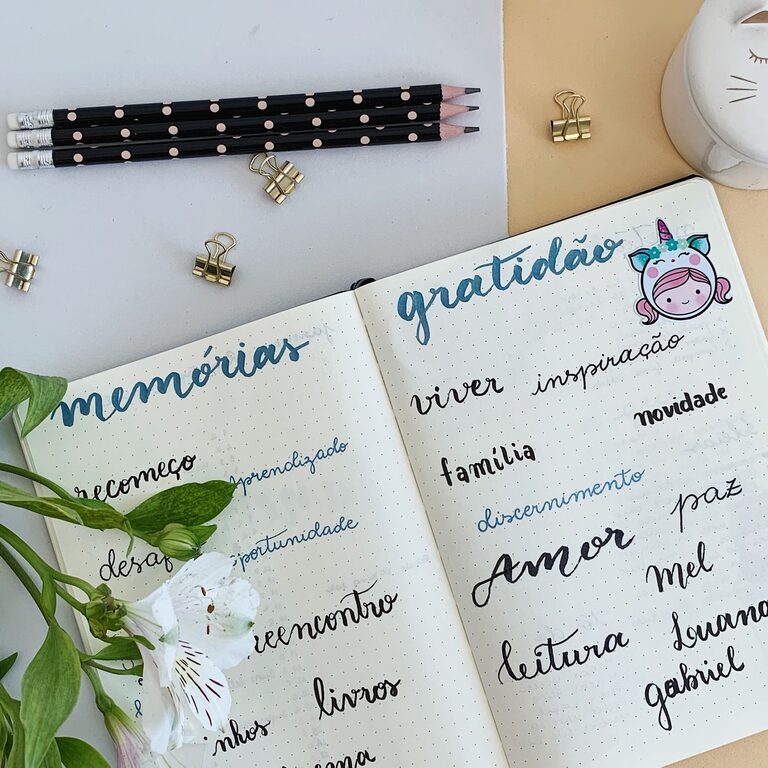
Starting a gratitude journal is a wonderful way to cultivate a positive mindset and enhance your overall well-being. By regularly recording the things you are thankful for, you can shift your focus from stress and negativity to appreciation and joy. If you’ve never kept a gratitude journal before, don’t worry—it’s simple to start, and it doesn’t require much time or effort.
In this post, we’ll explore how to start a gratitude journal, tips for making it a habit, and some ideas to keep your entries meaningful.
What Is a Gratitude Journal?
A gratitude journal is a personal diary where you write about the things, people, or experiences you feel grateful for each day. Unlike a regular journal that might include detailed stories or reflections, gratitude journals focus specifically on positive aspects of your life.
Many people find that focusing on gratitude helps reduce stress, improve mood, and even sleep better. It’s a small but powerful practice that can make a big difference over time.
Why Start a Gratitude Journal?
Before diving into how to journal, it’s helpful to understand the benefits:
– Improved mental well-being: Recognizing good things in your life encourages optimism and can reduce feelings of anxiety or depression.
– Better relationships: Gratitude helps you appreciate others, which can strengthen your connections.
– Increased mindfulness: Journaling directs your attention to the present moment and what’s going well.
– Builds resilience: Regularly acknowledging positive experiences can help you recover from challenges faster.
With these advantages in mind, let’s look at how to get started.
How to Start Your Gratitude Journal
1. Choose Your Journal and Tools
You don’t need anything fancy. Pick a notebook or journal that you like—this can be a traditional paper journal, a planner, or a note-taking app on your phone or computer. The key is to select something that feels comfortable and accessible, so you’re more likely to use it regularly.
You’ll also need a pen or a device for typing. If you prefer writing by hand, find a pen that’s smooth and pleasant to use.
2. Set a Consistent Time
Establish a routine by deciding when you will write your gratitude entry. Many people find it helpful to journal either in the morning to start the day positively or at night to reflect on the day’s good moments.
Consistency is important to make journaling a habit, so try to pick a time that usually works for you and stick with it.
3. Start Small and Be Specific
Begin with writing down 3 to 5 things you are grateful for each day. These can be simple items like a warm cup of coffee, a kind word from a friend, or the sunshine outside your window.
Being specific helps deepen your appreciation. For example, instead of writing “I am grateful for my friends,” you might write “I am grateful that my friend Sarah called me today, which made me feel supported.”
4. Use Prompts to Inspire You
If you’re not sure what to write, prompts can help spark ideas. Some examples include:
– What made me smile today?
– What’s one thing I often take for granted?
– What is a recent accomplishment I’m proud of?
– Who is someone I’m thankful to have in my life?
– What’s a positive experience I had this week?
5. Reflect on the Feelings
Take a moment after writing to really feel the gratitude. Notice how your body and mind respond. This simple act of pausing helps reinforce the positive emotions connected to your journal entries.
Tips for Maintaining Your Gratitude Journal
– Keep it accessible: Store your journal where you can easily reach it every day.
– Be honest: Write what genuinely feels meaningful to you, not what you think you should write.
– Mix it up: Sometimes write lists, other times write short paragraphs or even draw if you enjoy expressing yourself visually.
– Don’t stress about perfection: There’s no right or wrong way to keep a gratitude journal.
– Review your entries: Every now and then, look back through your past entries. This can boost your mood and remind you of all the good in your life.
Different Ways to Keep a Gratitude Journal
While the traditional pen-and-paper journal works well, you might also enjoy:
– Digital journals: Apps and word processors can be convenient, especially with reminders.
– Photo gratitude journal: Take a daily photo of something you’re grateful for and write a caption.
– Shared journal: Start a gratitude journal with a partner or friend to share positive thoughts and encourage each other.
– Bullet journal style: Incorporate gratitude lists as part of a creative bullet journal.
Final Thoughts
Starting a gratitude journal is a simple and effective way to promote happiness and mindfulness. By writing regularly about the good things in your life, you can develop a habit of positivity that helps you cope better with challenges.
Remember, the best gratitude journal is one that feels natural and sustainable for you. So choose your tools, find your favorite time, and begin with just a few simple entries. Over time, you’ll likely discover that gratitude journaling becomes a treasured part of your daily routine.